A dim kitchen island, a shadowed front walk, or a living room with one overly bright fixture can make a well-kept home feel less comfortable than it should. “Lighting installation in Dallas, TX: upgrade your home with professional lighting” is more than a search phrase – it is a practical way to improve how your home looks, works, and feels every day.
The right lighting plan does not simply add more fixtures. It places the right type of light where you need it, uses controls that fit your routine, and makes sure the electrical work is safely installed and code-compliant. Whether you are remodeling a home in Dallas, updating a property in Mesquite, or finishing a new space in Plano, professional installation helps protect your investment from the start.
What Professional Lighting Installation Can Change
Lighting affects nearly every room in a home. In kitchens, bright, even task lighting makes meal prep safer and more convenient. In bathrooms, well-positioned vanity lighting reduces harsh facial shadows. In living rooms and bedrooms, layered lighting gives you options for reading, entertaining, watching television, or winding down at the end of the day.
Professional lighting also makes a difference outside. A properly lit entry, driveway, patio, or side yard improves visibility after dark and can discourage unwanted activity around the property. Motion-sensor lighting and strategically placed security lighting are especially useful for homes with dark corners, detached garages, or long walkways.
There is also a value consideration. Updated fixtures and thoughtfully placed recessed lighting can make rooms feel more open and polished without changing the home’s footprint. That can be appealing if you plan to sell, but the immediate benefit is a home that better supports the way your family lives.
Choosing the Right Lighting for Each Space
A successful project starts with the purpose of each area, not with a fixture style alone. Decorative fixtures create a focal point, but they should not be expected to do all the work in a room. Most spaces function best with a combination of ambient, task, and accent lighting.
Recessed Lighting for Clean, Flexible Coverage
Recessed lights are a popular choice for kitchens, hallways, living rooms, and open-concept spaces because they provide broad illumination without taking up visual space. They can be arranged to brighten countertops, pathways, artwork, or seating areas while keeping the ceiling clean and uncluttered.
Placement matters. Recessed lights that are too far apart can leave dark gaps, while lights installed too close to a wall may create distracting glare or uneven shadows. Ceiling height, room dimensions, cabinet layout, beam spread, and the color of nearby finishes all affect the final result. A professional electrician can help plan fixture locations before cutting into the ceiling.
Chandeliers and Decorative Fixtures That Are Properly Supported
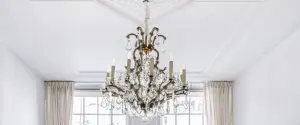
A chandelier over a dining table or a statement pendant over an island can transform a room. However, decorative lighting has practical requirements that are easy to overlook. Heavy fixtures need an electrical box rated to support their weight, and the mounting hardware must be secured correctly.
Height is equally important. A fixture that hangs too low can block sightlines or become a hazard, while one placed too high may lose its visual impact. During a remodel, it may also be necessary to relocate the electrical box so the fixture is centered over the table or island rather than centered in the room.
Ceiling Fans That Add Comfort, Not Noise
Ceiling fans provide valuable airflow during long North Texas summers and can help make a room feel more comfortable without relying as heavily on air conditioning. But a fan should never be mounted to a standard light-fixture box unless that box is specifically rated for fan support.
Professional installation helps ensure the fan is securely braced, balanced, and connected to the right wall controls. It also avoids common problems such as wobbling, humming, limited speed control, or a fan that does not provide useful airflow because it is the wrong size for the room.
Outdoor, Landscape, and Security Lighting
Outdoor lighting must be chosen and installed for weather exposure, placement, and safety. Fixtures near doors, pools, patios, gardens, and driveways may require different ratings and mounting methods. Low-voltage landscape lighting can highlight paths and planting beds, while line-voltage fixtures may be the better fit for bright floodlighting or certain security needs.
The goal is not to flood the entire yard with harsh light. Excessively bright or poorly aimed fixtures can create glare, disturb neighbors, and reduce visibility by making surrounding areas appear darker. Well-designed outdoor lighting focuses illumination where it is needed: steps, gate latches, entry points, walkways, and vulnerable areas of the property.
Energy Efficiency Is About More Than LED Bulbs
LED fixtures use less energy and generally last longer than older incandescent options, but efficiency depends on the complete design. A bright fixture in an unused area still wastes electricity. Dimmers, occupancy sensors, timers, photocells, and smart controls can help lighting respond to how your household actually uses each space.
For example, occupancy sensors may make sense in closets, laundry rooms, garages, and bathrooms. Dimmers work well in dining rooms, bedrooms, media spaces, and living areas where lighting needs change throughout the day. Outdoor photocells can turn lights on at dusk and off at dawn, while motion sensors can provide an added layer of convenience and security.
Not every control is right for every fixture. Some LED lamps and drivers are not compatible with all dimmers, which can lead to flickering, buzzing, limited dimming range, or shortened product life. An electrician can help match fixtures, switches, and controls so the finished system performs as expected.
Why Electrical Details Matter During a Lighting Upgrade
Lighting can seem like a simple cosmetic project, but the wiring behind the fixture matters just as much as what you see. Adding new lights may require running cable through walls or attic spaces, evaluating the circuit load, installing new switches, or addressing outdated wiring discovered during the work.
Older homes in Dallas and surrounding communities may have limited ceiling access, aging junction boxes, or electrical systems that were not designed for modern lighting layouts. A professional evaluates these conditions before installation and identifies practical options. Sometimes the cleanest solution is straightforward. In other cases, a homeowner may need to weigh the benefits of additional access work, a new circuit, or a panel upgrade to support broader renovation plans.
Code compliance is another essential part of the job. Electrical boxes need to remain accessible, connections need to be enclosed correctly, and fixtures must be installed according to their listing and manufacturer instructions. These details protect against loose connections, overheating, fixture failure, and future inspection issues.
Plan Lighting Before the Walls Are Closed
If you are renovating a kitchen, adding a room, or building a new home, lighting should be part of the electrical plan early in the process. Waiting until cabinets, drywall, or finished ceilings are in place can limit your options and increase labor costs.
Walk through each space at different times of day and think about how it will be used. Where will people enter? Where do you need to read, cook, work, or apply makeup? Which areas feel unsafe after dark? Consider furniture placement, television locations, artwork, window glare, and future needs as well.
It is also wise to plan for flexibility. Adding a switched outlet, spare wiring for a future fan, or a smart-ready control during a renovation may cost far less than opening finished walls later. Good planning gives your home room to adapt.
Work With a Local Electrical Professional
Professional lighting installation in Dallas, TX provides a better path from inspiration to a finished result you can rely on. The work should balance appearance with safe wiring practices, energy efficiency, fixture support, proper controls, and long-term performance.
Gartech Electrical LLC serves homeowners throughout Dallas, Balch Springs, Garland, Irving, Arlington, Richardson, Grand Prairie, DeSoto, Cedar Hill, Terrell, and nearby DFW communities with dependable lighting and electrical solutions. If you are ready to improve a single room, update your outdoor lighting, or plan a full-home renovation, contact Gartech Electrical for professional advice, a free estimate, and an installation built to last.