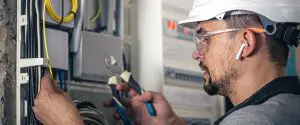
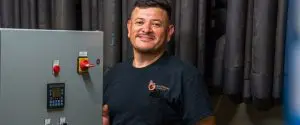
A breaker that trips once after too many appliances are plugged in may not be alarming. A panel that trips repeatedly, smells hot, buzzes, or cannot support the equipment your property needs is different. This electrical panel replacement guide explains when an upgrade is worth considering, what the work involves, and how to plan it safely.
An electrical panel is the control center for your building’s power. It receives electricity from the utility, distributes it through branch circuits, and uses breakers to protect wiring from overloads. When it is undersized, damaged, outdated, or improperly installed, the result can be more than an inconvenience. It can create a real fire and shock hazard.
When Electrical Panel Replacement Makes Sense
Panel replacement is not automatically required because a home is older. A well-maintained panel with adequate capacity may continue to perform safely. The decision depends on its condition, available capacity, the type of equipment it serves, and the electrical demands planned for the property.
The clearest warning signs deserve prompt attention. These include breakers that trip often, breakers that will not reset, flickering lights when large appliances start, warm panel covers, corrosion, a burning odor, crackling sounds, or visible damage. Never ignore heat, odor, or noise at an electrical panel. Turn off power only if it can be done safely, keep people away from the area, and call a qualified electrician.
Capacity is another common reason for replacement. Many older properties were built before central air conditioning, modern kitchen appliances, home offices, electric vehicle chargers, hot tubs, and high-demand entertainment systems became routine. A 100-amp service may be enough for some homes, but it may not fit a larger home or a property adding major electric loads. The right service size is determined by a load calculation, not a guess.
For commercial properties, panel concerns often appear during tenant improvements, equipment additions, lighting upgrades, or building expansions. A panel with no open breaker spaces may be a problem, but adding a subpanel can sometimes be the practical answer. Full replacement may be needed when capacity, condition, safety, or code requirements make the existing equipment unsuitable.
Electrical Panel Replacement Guide: What Happens First
A professional replacement begins with an inspection and a conversation about how the property is used. The electrician looks at the existing panel, service equipment, grounding and bonding, wiring condition, breaker types, available capacity, and the loads you expect to add.
That evaluation matters because the panel is only one part of the electrical system. Replacing it does not automatically correct damaged branch wiring, ungrounded outlets, overloaded circuits, or an undersized service connection. Those issues should be identified clearly so you can make an informed decision about the scope of work.
A load calculation follows. This calculation accounts for fixed equipment such as HVAC systems, water heaters, ranges, dryers, pumps, and permanently installed lighting, along with general-use circuits and anticipated additions. For example, an EV charger, electric range conversion, generator connection, or workshop equipment can significantly change the recommended panel and service capacity.
The contractor can then recommend a solution. Depending on the property, that may involve replacing the main panel, upgrading the electrical service, installing a subpanel, adding dedicated circuits, improving grounding and bonding, or completing a combination of these items. The best option balances current safety needs with realistic plans for the next several years.
What a Panel Upgrade Can Include
The term “panel replacement” can describe different levels of work. Replacing an interior load center with a new panel is not always the same as upgrading the entire service from the utility connection to the panel.
A straightforward panel change may retain the existing service size while installing new, properly rated equipment and breakers. This can be appropriate when the service has enough capacity and the upstream equipment is in good condition. It may also provide more circuit spaces, better labeling, and modern breaker protection where required.
A service upgrade is more involved. It may require changes to the meter equipment, service entrance conductors, weatherhead or underground service components, main disconnect, grounding system, and coordination with the local utility. This is often the right path when a property needs more amps, but it can add cost and scheduling steps.
Modern safety devices may also be part of the project. Ground-fault circuit interrupter protection helps reduce shock hazards in locations such as bathrooms, kitchens, garages, and outdoor areas. Arc-fault circuit interrupter protection helps address certain arcing conditions that can lead to fires. Requirements depend on the applicable code, the location, and the scope of the work.
Surge protection is another practical consideration. A whole-home surge protective device at the panel can help protect connected electronics and appliances from voltage spikes. It is not a substitute for point-of-use protection or proper grounding, but it adds a useful layer of defense for homes and businesses with sensitive equipment.
Why This Is Not a DIY Project
An electrical panel contains energized conductors even when individual breakers are off. In many situations, portions of the service equipment remain live until power is disconnected by the utility or at an approved service disconnect. Serious injury, fire, and extensive equipment damage can result from a mistake.
Panel work also requires more than moving wires from one box to another. Conductors must be correctly sized, terminals must be torqued to manufacturer specifications, breakers must be compatible with the panel, neutrals and grounds must be handled correctly, and every circuit must be identified and tested. A clean-looking installation can still be unsafe if these details are wrong.
Permits and inspections are often required for panel or service work. Requirements can vary by city and project scope across Dallas County and nearby communities. A qualified electrical contractor can determine what applies, complete the work to code, and coordinate the necessary inspection steps.
How to Prepare for Replacement Day
Most panel replacements require a planned power outage. The length varies with the project, utility coordination, existing conditions, and whether the service equipment is being upgraded. Your electrician should explain the expected downtime before work begins.
Before the appointment, protect refrigerators and freezers by keeping doors closed as much as possible. Charge phones, computers, and backup batteries. Make arrangements for medical devices that require continuous power. If your business depends on servers, security systems, refrigerated inventory, point-of-sale equipment, or production machinery, discuss shutdown procedures and scheduling in advance.
Clear access to the panel and meter area. The work area should be free of storage, vehicles, furniture, and other obstacles. If the panel is indoors, move fragile items and provide a clear path from the entrance. Good access helps the crew work efficiently and safely.
It also helps to identify circuits before the visit. Note which breakers serve critical equipment, such as a sump pump, medical device, security camera system, refrigerator, or network equipment. Better circuit information makes final labeling more useful and reduces confusion after power is restored.
Choosing the Right Electrical Contractor
Panel replacement is a safety project, not a place to choose solely on the lowest price. Ask whether the contractor will inspect the full system, perform a load calculation when needed, explain whether a panel change or service upgrade is recommended, and handle permits and inspections when required.
A clear estimate should identify the proposed equipment, service size if applicable, number of circuits or panel spaces, grounding work, surge protection, permit costs, and any conditions that could affect the final scope. Older properties can reveal hidden issues after work begins, so honest communication about possible variables matters.
For Dallas-area homes and businesses, Gartech Electrical provides professional panel upgrades and related electrical work with a focus on safe, code-compliant installation. The goal is not to sell more capacity than you need. It is to provide a reliable electrical system that supports the way your property actually operates.
After the New Panel Is Installed
Once power is restored, the electrician should verify the circuits, test required protective devices, and provide clear breaker labeling. Keep the panel area accessible after the project. Do not use it for storage, and do not cover it with furniture or shelving.
Take a moment to understand the main disconnect and the labels for major circuits. This is especially useful during an emergency or when a future repair is needed. If you add an EV charger, remodel a kitchen, install new HVAC equipment, or expand a business operation later, have the electrical load reviewed before the work starts.
A properly planned panel replacement does more than stop nuisance breaker trips. It gives your property a safer foundation for the equipment, comfort, security, and growth you rely on every day. If your panel is showing warning signs or your electrical needs have changed, a professional evaluation is the safest next step.