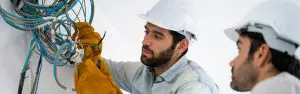
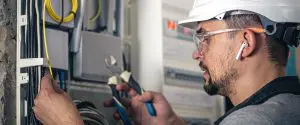
A quiet electrical panel is easy to ignore. A buzzing one deserves your attention. Panel buzzing causes range from a harmless vibration to a loose electrical connection that can overheat, arc, and become a fire risk. The sound alone cannot confirm the problem, but it is a clear reason to stop guessing and have the system evaluated.
For homeowners across Dallas-Fort Worth, especially in older homes or homes with growing electrical demands, a buzzing panel may be the first warning that a breaker, connection, or circuit is under strain. The safest response is not to remove the panel cover or tighten anything yourself. Keep the area dry, avoid touching the panel, and arrange professional troubleshooting promptly.
What Does an Electrical Panel Buzzing Sound Mean?
Electrical equipment can make a faint, steady hum during normal operation. Transformers, certain dimmers, and some larger equipment may produce a low-level sound. A residential breaker panel, however, should not produce a noticeable, persistent buzz, crackle, sizzle, or vibrating sound that you can hear across the room.
The character of the noise matters. A soft vibration that occurs only when a large appliance starts may point to a loose cover or normal load-related movement. A loud buzz that gets worse when the air conditioner, dryer, oven, or other major appliance runs may indicate a circuit or connection problem. Crackling, popping, a hot or burning smell, discoloration, or a warm panel are more urgent warning signs.
If the panel is buzzing after a storm, water leak, power surge, or recent electrical work, treat that timing seriously. Moisture and damaged components can create unsafe conditions even when the lights and outlets still appear to work.
Common Panel Buzzing Causes
Loose wiring or electrical connections
Loose connections are among the most common and most concerning causes of panel noise. Electricity must pass through secure connections at breakers, bus bars, neutral bars, and incoming service conductors. When a connection loosens, resistance increases. That resistance creates heat, and electrical current may begin to arc across a tiny gap.
Arcing can sound like buzzing, sizzling, or crackling. It can also damage the breaker or panel components over time. Because the energized parts inside a panel carry dangerous voltage, diagnosing and correcting a loose connection requires a qualified electrician using the right testing equipment and procedures.
A failing or damaged circuit breaker
Breakers are designed to protect wiring from overloads and faults, but they do wear out. A damaged breaker may buzz internally, feel unusually warm, trip repeatedly, or fail to trip when it should. Age, overheating, manufacturing defects, repeated overloads, and power surges can all shorten a breaker’s service life.
A breaker that buzzes when a specific circuit is under load may be struggling to carry current safely. Replacing a breaker is not simply a matter of matching its amperage. The replacement must be compatible with the panel, properly installed, and supported by wiring sized for that circuit.
An overloaded circuit or undersized electrical service
Modern homes use more power than many older electrical systems were built to handle. Space heaters, hair tools, gaming equipment, home offices, EV chargers, electric ranges, and high-efficiency HVAC systems can place substantial demand on a panel and its circuits.
An overloaded circuit may cause a breaker to hum or buzz before it trips. If the panel noise appears when multiple appliances are operating, the issue could be a crowded circuit, an improperly shared load, or a service panel that no longer has enough capacity for the home. Adding a new breaker without evaluating the total load can make the underlying problem worse.
In homes around Balch Springs, Mesquite, Garland, and Dallas that have been remodeled over the years, it is common to find added outlets, rooms, or appliances connected to an electrical system that was never upgraded to match the new demand.
Damaged bus bars or panel components
Behind the breakers are metal bus bars that distribute power throughout the panel. Corrosion, overheating, poor breaker contact, or physical damage can affect these components. A breaker that does not make solid contact with a bus bar may buzz and generate heat at the connection point.
This is not a repair to postpone. Damage at the bus bar can spread to multiple breakers and may require panel repair or replacement rather than a single breaker change. An electrician can inspect for heat damage, corrosion, pitting, and other signs that are not visible from outside the panel.
Moisture, corrosion, or pest damage
Panels located in garages, utility rooms, exterior walls, or damp areas can be exposed to humidity, roof leaks, plumbing leaks, and condensation. Water and electricity are a dangerous combination. Corrosion can weaken connections and interfere with breaker performance, while pests may damage insulation or introduce debris into electrical equipment.
If you see rust, water stains, condensation, or evidence of insects or rodents near the panel, do not assume the buzz will disappear once the area dries. The panel and affected circuits should be inspected for lasting damage.
Vibration from the cover or nearby equipment
Not every buzz comes from an electrical fault inside the panel. A loose dead-front cover, conduit, or nearby appliance can vibrate and make a noticeable sound. This is the least serious possibility, but it should be confirmed rather than assumed.
The trade-off is simple: a loose cover may be an easy correction, while a similar-sounding vibration could be arcing inside the panel. A professional inspection separates a minor mechanical issue from an electrical hazard without exposing you to live parts.
Problems connected to solar, generators, or utility equipment
Homes with solar power, battery backup, standby generators, transfer switches, or EV charging equipment have additional electrical connections that need to work together correctly. Buzzing may come from a transfer switch, inverter, disconnect, meter equipment, or the panel itself. Utility-side issues can also create unusual noise, flickering lights, or voltage problems.
If the sound began after solar installation, generator work, or a utility outage, tell the electrician exactly when it started and what equipment was running. That history helps narrow down the source safely.
When Panel Buzzing Is an Emergency
Turn off the main breaker only if you can do so safely without touching a hot, wet, damaged, or smoking panel. Then call for emergency electrical service if you notice smoke, sparking, flames, a burning odor, melted insulation, severe heat, or loud crackling.
You should also act quickly if the buzzing is accompanied by flickering lights throughout the house, frequent breaker trips, shocks from appliances or switches, or a loss of power to part of the home. These symptoms can indicate a loose service connection or a failing component that needs immediate attention.
Do not remove the panel cover, reset a breaker repeatedly, or attempt to silence the sound by pressing on the panel. Avoid using high-demand appliances on the affected circuit until the issue is assessed.
What an Electrician Checks for Panel Buzzing Causes
A proper diagnosis starts with identifying whether the sound comes from the panel, a breaker, nearby equipment, or utility-related service components. An electrician will look for visible heat damage, corrosion, loose mounting hardware, improper breaker types, overloaded circuits, and signs of arcing.
Testing may include checking circuit loads, voltage, breaker condition, connection integrity, and temperature differences between components. The goal is not merely to stop the sound. It is to correct the condition creating it and verify that the repair meets current safety and code requirements.
The right repair depends on the findings. It could involve securing a connection, replacing a failed breaker, redistributing loads, repairing damaged wiring, adding dedicated circuits, or recommending an electrical panel upgrade. If a panel is obsolete, overcrowded, or showing widespread heat damage, replacement can offer better long-term safety than repeated spot repairs.
Protect Your Home Before the Next Warning Sound
A buzzing panel is one of those problems that can seem minor until it is not. Early service is usually less disruptive than waiting for a breaker failure, damaged wiring, or power loss. It also gives homeowners a chance to plan upgrades around real needs, whether that means adding surge protection, preparing for an EV charger, installing a generator, or supporting a remodel safely.
Gartech Electrical provides professional electrical troubleshooting, breaker replacement, panel upgrades, and inspections for homeowners throughout Balch Springs and the greater DFW Metroplex. If your electrical panel is buzzing, schedule an evaluation and get a clear answer before a small warning becomes a larger repair.