A dim kitchen island, a shadowy front entry, or a living room with one harsh overhead fixture can make an otherwise well-kept home feel dated and less comfortable. Lighting installation in Dallas can brighten your home with modern lighting while improving how each room functions, how secure the exterior feels, and how efficiently your household uses energy.
The best lighting upgrade is not simply about adding brighter bulbs. It is about placing the right light where your family needs it, selecting fixtures that suit the space, and making sure the wiring, switches, and electrical circuits can safely support the plan. For homeowners across Dallas and nearby DFW communities, professional installation protects the investment behind a more attractive, useful home.
Start With How You Use Each Space
Modern lighting works best when it is planned around real routines. A kitchen needs clear, even lighting for food preparation, but it also benefits from softer fixtures for meals and entertaining. A bathroom needs bright, low-shadow lighting near the mirror. Bedrooms usually call for layers that can shift from practical morning light to a calmer evening setting.
A useful lighting plan combines three purposes: ambient lighting for overall visibility, task lighting for activities such as cooking or reading, and accent lighting that highlights architectural features, artwork, or landscaping. One ceiling fixture rarely handles all three well. Adding recessed lights, under-cabinet lighting, wall sconces, pendant lights, or dimmable fixtures can give a room more flexibility without making it feel overlit.
The right approach depends on ceiling height, natural daylight, room size, furniture placement, and the age of the home. A large open-concept living area may need several lighting zones, while a smaller room may only need a well-placed fixture and a dimmer. A professional electrician can help homeowners avoid a common mistake: installing more fixtures than necessary instead of installing the right fixtures in the right locations.
Modern Indoor Lighting That Adds Everyday Value
Recessed lighting remains popular because it provides a clean look and spreads light evenly across kitchens, halls, living rooms, and finished basements. However, spacing and placement matter. Fixtures installed too close together can create glare, while poorly placed lights can cast shadows over countertops or seating areas.
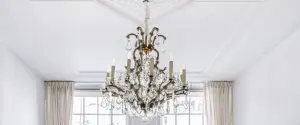
Pendant lights and chandeliers can create a focal point above an island, dining table, foyer, or stairway. These fixtures often require more than a simple replacement, especially when they are heavy or need a new electrical box, higher mounting support, or a dedicated control switch. Safe chandelier installation is especially important in homes with tall ceilings, where fixture height and secure mounting affect both appearance and safety.
Under-cabinet lighting is one of the most practical upgrades for a Dallas kitchen. It brings light directly onto countertops, reduces shadows, and gives the room a polished look after dark. LED strips and puck lights use little energy, generate less heat than older options, and can often be paired with dimmers for a softer evening setting.
Dimmers are another small upgrade with a meaningful return. They allow a dining room to feel comfortable during a meal, make a hallway less jarring at night, and help extend LED bulb life when compatible products are used. Not every LED bulb and dimmer work together, so product compatibility should be checked before installation.
Choose LED Lighting With Color in Mind
LED lighting is a smart choice for most homes because it uses less electricity and typically lasts much longer than traditional incandescent bulbs. But efficiency alone does not determine whether a room looks inviting. Color temperature plays a major role.
Warm white lighting, often around 2700K to 3000K, tends to suit bedrooms, living rooms, and dining spaces. Neutral white lighting can work well in kitchens, bathrooms, laundry rooms, and work areas where clearer visibility is useful. Cooler lighting may be appropriate for garages or utility spaces, but it can feel too stark in a main living area.
Brightness also matters. A fixture can have a beautiful finish and still disappoint if it does not provide enough usable light. Rather than selecting bulbs based on watts alone, look at lumens, which measure brightness. A qualified electrician can help balance fixture style, output, and controls so the finished room looks intentional instead of uneven.
Outdoor Lighting Improves Security and Curb Appeal
Exterior lighting should help your household move safely around the property while making dark areas less inviting to intruders. Well-placed lighting at doors, walkways, driveways, patios, gates, and side yards can improve visibility without turning the property into a floodlit glare zone.
Motion sensor lighting is a practical choice for side entrances, garages, and backyards. It activates when needed, conserving energy while drawing attention to movement around the home. Dusk-to-dawn fixtures offer reliable illumination at entries and along pathways, while landscape lighting can define walkways, trees, and garden features.
For homes in Balch Springs, Mesquite, Garland, and other DFW neighborhoods, security lighting can be part of a broader property protection plan. Outdoor lights work especially well when coordinated with security cameras, video surveillance, or access control features. Properly aimed fixtures can support camera visibility without creating glare that makes recorded footage harder to see.
There is a trade-off to consider. Very bright fixtures may feel secure, but poorly aimed lights can disturb neighbors, shine into bedrooms, and create harsh shadows. A thoughtful design uses shielded fixtures, appropriate mounting heights, and targeted coverage to light the areas that matter most.
When Lighting Installation Requires Electrical Upgrades
Changing a basic fixture may be straightforward in a newer home with sound wiring. Adding recessed lights, installing a new chandelier, moving switches, or creating new lighting zones can be more involved. The project may require new wiring, properly rated junction boxes, additional circuit capacity, or an electrical panel evaluation.
Older homes can present hidden concerns, including outdated wiring, loose connections, overloaded circuits, or boxes that are not rated to support heavy fixtures. These issues should be addressed before new lighting is installed. A beautiful fixture is not worth the risk of overheating connections, frequent breaker trips, or an unsafe mount.
Homeowners should also be cautious about do-it-yourself work that involves opening walls, extending circuits, or altering electrical boxes. Texas electrical work must meet applicable code requirements, and permits may be needed depending on the scope of the project. Professional installation helps ensure wiring is properly protected, connections are secure, and the finished work is built for long-term reliability.
Smart Controls Make Lighting Easier to Manage
Smart switches, timers, occupancy sensors, and app-controlled lighting can add convenience without requiring a full smart-home overhaul. A homeowner can schedule exterior lights around sunset, turn off forgotten lights remotely, or set a welcoming entry light before arriving home.
The best system is usually the one your household will actually use. Some homeowners prefer a simple dimmer and timer, while others want voice control, scene settings, and integrated security features. Before choosing smart controls, verify whether a neutral wire is available in the switch box and whether the selected devices are compatible with the home’s wiring and fixtures.
For rental properties or busy family homes, occupancy sensors can be particularly useful in closets, pantries, garages, and laundry rooms. They reduce wasted energy by turning lights off when rooms are empty. In a home office, however, manual dimming controls may be more comfortable than sensors that shut off during quiet work.
What to Expect From a Professional Lighting Project
A reliable lighting installation begins with a conversation about your goals, not a quick guess at fixture placement. An electrician should evaluate the room, existing wiring, circuit capacity, fixture weight, control options, and any safety concerns before recommending the work.
During installation, professionals protect nearby surfaces, make secure electrical connections, mount fixtures correctly, test switches and dimmers, and confirm that the system operates as intended. For larger projects, such as a kitchen remodel or whole-home lighting update, planning ahead can prevent costly changes after drywall, cabinets, or paint are complete.
Quality workmanship also makes future maintenance easier. Clearly installed, code-compliant electrical work helps when you sell the home, renovate another room, or need service years later. It is a practical investment in both comfort and property value.
Bring Better Light to Your Dallas Home
Whether you are updating one room, adding security lighting, or planning a full renovation, modern lighting should make your home safer, more useful, and more enjoyable after sunset. Gartech Electrical LLC provides professional, code-compliant lighting installation for homeowners throughout Dallas, Balch Springs, Richardson, Grand Prairie, DeSoto, Seagoville, Terrell, and surrounding DFW communities. Contact the team for a free estimate or professional consultation, and start with a lighting plan built for the way you live.