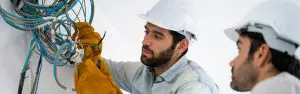
An electrical inspector cannot evaluate a panel they cannot reach, a receptacle hidden behind furniture, or a problem no one mentions. A little preparation turns an inspection from a quick visual check into a useful safety assessment. These electrical inspection preparation steps help Dallas-Fort Worth homeowners get clear answers, reduce delays, and make better decisions about repairs or upgrades.
The goal is not to make your electrical system look perfect or to perform repairs yourself before the appointment. Your job is to provide safe access, useful information, and an honest picture of how the home functions. The electrician’s job is to identify concerns, explain what they mean, and recommend the right next step.
Know What Type of Inspection You Need
Preparation begins with understanding why the inspection is being performed. A homebuyer inspection, a pre-sale inspection, a post-storm assessment, a troubleshooting visit, and a permit or code inspection may look at different issues and have different requirements.
For example, a homeowner preparing to sell may want to identify obvious safety concerns before a buyer raises them. A family planning a kitchen remodel may need to know whether the existing panel has capacity for new circuits. If lights flicker when the air conditioner starts, the priority is diagnosing a specific performance problem rather than reviewing every part of the property.
If a city or permit inspector is involved, ask your contractor what must be completed and accessible before the inspection. Municipal inspections often require permits, approved plans, proper labeling, and completed work that can be viewed without removing finishes. A professional electrician can help coordinate that process, but the requirements can vary by project and jurisdiction.
Clear Safe Access to Electrical Equipment
Access is one of the most practical electrical inspection preparation steps. Before the appointment, make sure the electrician can safely reach the main electrical panel, subpanels, breakers, meter area, attic access, garage outlets, and any rooms where you have noticed problems.
Move storage bins, lawn equipment, furniture, and other items away from panels. Electrical panels should never be used as a backdrop for shelves or stacked boxes. A clear working space also matters long after the inspection because it allows quick access during an emergency.
If your panel is in a closet, garage, basement, utility room, or exterior enclosure, unlock the area and remove obstacles. Let the electrician know about gates, pets, alarm systems, tenant access, or areas that need special coordination. For commercial properties, arrange access to electrical rooms, rooftop equipment, mechanical areas, and tenant spaces in advance.
Do not remove a panel cover yourself. The components behind it can remain energized even when the main breaker is off, and contact with live parts can cause serious injury.
Make a Short List of Symptoms and Changes
An inspection is more valuable when the electrician knows what has changed in the home. Write down concerns as you notice them rather than relying on memory during the appointment. Include the room, the affected equipment, how often the issue happens, and what else is operating when it occurs.
Helpful details include:
- Breakers that trip repeatedly or feel warm
- Lights that dim, flicker, or brighten unexpectedly
- Outlets that do not work, feel loose, or have discoloration
- A burning odor, buzzing sound, or occasional shock or tingling sensation
- Recent appliance additions, renovations, water leaks, or storm damage
A breaker that trips once after an overloaded outlet strip may call for a simple change in use. A breaker that trips repeatedly without an obvious cause is different and should be evaluated. The same is true for a single flickering bulb versus multiple lights flickering across the home.
If you have photos or notes from when a problem occurred, keep them available. Photos can be especially useful for intermittent issues such as a sparking outlet, a panel error message, or damage that appeared after a power surge. Never try to recreate a dangerous symptom for the electrician.
Gather Relevant Electrical History
Older homes throughout Dallas, Mesquite, Garland, and surrounding communities may have had several remodels completed over decades. Records are not always complete, but any information you do have can help establish the history of the system.
Set aside recent repair invoices, remodeling plans, permit paperwork, panel upgrade records, generator documents, solar installation information, and appliance manuals if they are relevant. Tell the electrician about prior electrical work, even if you are unsure who performed it. This is not about assigning blame. It helps identify changes that may affect circuits, grounding, load capacity, or code compliance.
Also mention major equipment added since the last electrical update. Electric vehicle chargers, hot tubs, pool equipment, high-capacity HVAC systems, electric ranges, workshop tools, backup generators, and solar equipment can significantly change a home’s electrical demand. A panel that was adequate years ago may need an upgrade or a more detailed load calculation today.
Prepare the Home Without Hiding Problems
It is reasonable to replace a burned-out light bulb, tidy the garage, and make sure an attic hatch can open. It is not wise to cover a damaged outlet with a decorative plate, reset a breaker repeatedly to keep it from tripping, or disconnect a device that has been causing trouble.
An inspection works best when conditions are normal and concerns are visible. Leave circuit labels, warning stickers, and unusual wiring arrangements as they are. If you are worried that something is unsafe, keep people away from it and tell the electrician immediately upon arrival.
Be especially careful with water. If an outlet, panel, extension cord, or electrical device has been exposed to a leak or flooding, do not touch it or attempt to dry it out while energized. Water damage can create hazards that are not visible from the surface.
Plan for Power Interruptions and Testing
Many inspections involve testing outlets, operating switches, checking GFCI and AFCI protection, and reviewing panel components. Depending on the scope, the electrician may need to turn circuits off briefly. This can interrupt internet service, clocks, refrigeration, computers, medical devices, security systems, or smart-home equipment.
Before the visit, save important computer work and notify anyone working from home. If your household relies on medical equipment or has equipment that cannot lose power, discuss that before scheduling or at the start of the appointment. The inspection approach may need to be adjusted to protect essential equipment.
For a property with a generator, battery backup, solar array, or transfer switch, provide any operating instructions and let the electrician know whether the system is active. These systems require careful evaluation because multiple power sources may be present.
Be Ready to Discuss Priorities
Not every finding has the same urgency. A qualified electrician may identify immediate safety hazards, code issues associated with planned work, maintenance items, and upgrades that are optional but worthwhile. Ask which items should be handled now, which can be planned, and what could happen if a repair is delayed.
This conversation is particularly useful when budgeting for an older home or a renovation. A full panel replacement may be the right long-term option in one situation, while a targeted circuit repair or added subpanel may make more sense in another. The best recommendation depends on the condition of the equipment, the home’s electrical load, and your plans for the property.
During the appointment, ask for plain-language explanations of anything you do not understand. A good inspection should leave you knowing what was found, why it matters, and what work is recommended.
When to Schedule an Inspection Promptly
Do not wait for a routine appointment if you notice a burning smell, smoke, sparks, a hot electrical panel, frequent breaker trips, visible wire damage, or shocks from outlets or appliances. Turn off power to the affected area only if it is safe to do so, keep others away, and contact a qualified electrician.
For homeowners in Balch Springs and across the DFW Metroplex, Gartech Electrical can help assess electrical concerns, explain practical repair options, and prepare your home for remodels, sales, upgrades, or formal inspections. A professional evaluation gives you more than a checklist – it gives you a safer, more reliable electrical system and a clear path forward.