A single voltage spike can damage far more than a television. It can reach the refrigerator control board, HVAC equipment, smart appliances, garage door opener, security cameras, and the chargers plugged throughout a home. For North Texas property owners, whole house surge protector installation cost is a practical question about protecting the electrical systems they rely on every day.
A professionally installed whole-home surge protector commonly costs about $300 to $1,200 for a straightforward residential installation. The final price depends on the protector’s rating, the condition and capacity of the electrical panel, labor access, permit requirements, and whether the home needs related electrical repairs or upgrades. A low upfront price may be possible in an ideal panel, but safety and proper installation should always lead the decision.
What Is Included in Whole House Surge Protector Installation Cost?
A whole-house surge protective device, often called an SPD, is installed at or near the main electrical panel. Its job is to direct excess voltage away from a home’s electrical system before the surge can travel through branch circuits and reach connected equipment.
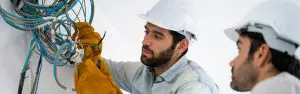
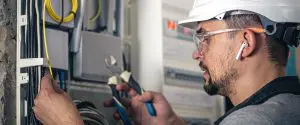
The price should cover more than attaching a device to the panel. A professional electrician first evaluates the panel, breaker arrangement, grounding and bonding, available space, and signs of heat damage or wear. The electrician then selects a compatible surge protector, installs it according to manufacturer instructions and electrical code, tests the work, and labels the installation as needed.
In a typical project, the total includes the surge protector itself, labor, standard installation materials, and basic testing. Permits, panel repairs, additional breakers, or electrical service upgrades may be separate costs when required. A clear estimate should explain what is included before work begins.
What Changes the Cost of a Whole House Surge Protector?
The device is only one part of the price. The electrical system behind it often has the greatest effect on installation time and cost.
Surge protector type and performance rating
Quality surge protective devices are available at different price points and protection levels. A unit with a higher surge-current rating, diagnostic indicator lights, replaceable modules, or a stronger manufacturer warranty will generally cost more than a basic model. For a home with sensitive electronics, smart controls, an EV charger, solar equipment, or a standby generator, choosing the least expensive device is not always the best long-term value.
Your electrician may recommend a Type 1 or Type 2 SPD depending on the service equipment and installation location. The technical category matters, but compatibility with your specific panel and the quality of the installation matter just as much.
Electrical panel condition and available space
A modern panel with open breaker spaces and accessible wiring can make installation relatively quick. An older, crowded, damaged, or obsolete panel can add complexity. The electrician may need to replace a breaker, correct loose connections, address corrosion, or recommend a panel upgrade before adding new protective equipment.
This is particularly relevant in older homes across Dallas, Mesquite, Balch Springs, and nearby DFW communities, where electrical panels may have been modified over decades of renovations. A surge protector cannot correct an unsafe panel. If an inspection identifies a problem, resolving it protects both the new equipment and the home.
Grounding and bonding corrections
Surge protection needs a properly functioning grounding and bonding system to perform as intended. If the grounding electrode conductor is undersized, disconnected, damaged, or not properly bonded, the electrician may recommend corrections before or during the installation.
That can increase the project price, but it is not unnecessary add-on work. Proper grounding helps the electrical system manage fault current and excess voltage safely. It is a foundational part of a code-compliant installation.
Labor access and permit requirements
Most indoor panel installations are straightforward, but difficult access can affect labor costs. Panels located in tight closets, finished garages, utility rooms, or exterior enclosures may require additional time. Local permitting and inspection requirements can also vary by city and project scope.
A licensed electrical contractor should account for these details upfront. Homeowners should be cautious when an estimate is dramatically lower than others but does not identify the device, installation method, or whether permit requirements have been considered.
Typical Price Ranges for DFW Homes
Every home is different, but these ranges can help set realistic expectations:
- Simple installation: $300 to $600. This often applies when the panel is in good condition, has suitable space, and requires no additional repairs.
- Standard installation: $600 to $1,200. This range may include a higher-rated device, more involved panel access, breaker adjustments, or minor grounding corrections.
- Installation with electrical upgrades: $1,200 and up. Costs can rise when the panel needs repair or replacement, grounding work is extensive, or the home is receiving related upgrades such as generator or solar electrical integration.
These figures are planning ranges, not a substitute for an on-site assessment. The right solution depends on the panel, the home’s electrical load, and the equipment the homeowner wants to protect.
Why a Plug-In Power Strip Is Not Enough
Plug-in surge strips have a purpose. They provide another layer of protection for electronics at individual outlets, especially computers, entertainment systems, and networking equipment. They do not replace a panel-mounted surge protective device.
A whole-home protector is positioned at the electrical system’s entry point, where it can reduce the energy of surges before they spread through multiple circuits. It can help protect hardwired equipment that cannot plug into a power strip, including HVAC systems, refrigerators, dishwashers, garage door openers, lighting controls, and security equipment.
The strongest approach is layered protection. Use a professionally installed whole-house SPD at the panel, then use quality point-of-use protectors for sensitive electronics. No surge protection system can guarantee that every device will survive every severe event, especially a direct lightning strike, but layered protection meaningfully reduces everyday risk.
When Surge Protection Is Especially Worth Considering
North Texas weather can bring thunderstorms, lightning, utility interruptions, and power restoration events that may create voltage disturbances. Surges can also originate inside the property when large motors and equipment cycle on and off. Air conditioners, heat pumps, refrigerators, and other major appliances can contribute to normal electrical fluctuations.
Whole-home surge protection is especially sensible after a panel upgrade, during a remodel, when installing a generator, or when adding solar power, EV charging, smart-home systems, CCTV, or new high-value appliances. Adding the device while electrical work is already underway may reduce labor compared with scheduling it as a separate visit.
Commercial property managers should also consider the value of protecting network equipment, security systems, access control, LED lighting drivers, refrigeration controls, and point-of-sale equipment. The cost of one damaged control board or a day of interrupted operations can exceed the price of professional surge protection.
How to Compare Installation Estimates
A useful estimate is specific enough to help you compare more than the total price. Ask what brand and model of surge protector will be installed, its surge-current rating, where it will be mounted, and whether the installation includes any required breaker or grounding work.
Also ask whether the panel will be inspected for safety concerns, whether permits are included when applicable, and what warranty applies to both workmanship and the device. An electrician who takes time to inspect the panel is protecting your interests, not making the project harder.
Be careful with do-it-yourself panel work. Even with the main breaker turned off, parts of many panels can remain energized. Incorrect wiring, loose terminations, incompatible breakers, or poor grounding can create shock, fire, and equipment-damage risks. This is a job for a qualified electrician who understands current code requirements and the panel manufacturer’s specifications.
Get a Clear Recommendation for Your Property
The best time to consider surge protection is before the next storm, outage, or equipment failure exposes a weakness in the electrical system. A brief panel assessment can identify whether a straightforward installation is possible or whether repairs should come first.
For homeowners and property managers in Balch Springs, Dallas, Mesquite, and surrounding DFW communities, Gartech Electrical can evaluate your panel, explain your options clearly, and provide a professional estimate for code-compliant whole-home surge protection. Protecting the electrical system now can help prevent a far more expensive surprise later.