A camera pointed at the wrong angle can miss the one place you need to see. A camera with weak Wi-Fi may stop recording when a connection drops. And an exposed wire can turn a security upgrade into an electrical problem. That is why choosing a security camera installer Richardson TX homeowners can rely on is about more than mounting equipment near the front door. It is about thoughtful coverage, safe power, dependable recording, and a system that fits the property.
For Richardson homes, businesses, rental properties, and construction sites, a professionally planned surveillance system can provide useful visibility without creating a cluttered, unreliable setup. The best results start with understanding what cameras can do well, where they belong, and when electrical expertise matters.
Start With the Property, Not the Camera Package
It is easy to shop by camera count or resolution alone. Those details matter, but they do not determine whether a system captures usable footage. A four-camera package may be more than enough for a smaller home with clear entry points, while a larger corner lot or commercial building may need additional coverage for side gates, parking areas, loading zones, or secondary doors.
A site assessment should consider how people and vehicles move around the property. For a home, that often means the front entry, driveway, garage, backyard gate, and rear patio. For a business, the priorities may include customer entrances, cash-handling areas, employee-only doors, parking lots, storage areas, and delivery access.
The goal is not to record every inch of a property. It is to protect the areas where an event is most likely to occur and provide a useful view if it does. A camera mounted too high may offer a broad scene but fail to capture identifying details. One placed too low can be easier to tamper with. Proper height, angle, lighting, and lens selection all work together.
What a Security Camera Installer in Richardson, TX Should Evaluate
A qualified installer should ask practical questions before recommending equipment. Do you need live mobile viewing? Is identifying faces at the front door more important than monitoring a wide driveway? Do you want recordings stored locally, in the cloud, or both? Is the property already wired for network equipment, or will new cabling be needed?
Those answers shape the installation. They also prevent a common disappointment: buying advanced cameras but discovering that the recording plan, internet connection, or placement does not support the way the system will be used.
Power and wiring deserve professional attention
Wireless cameras can be convenient, especially in locations where running cable is difficult. But “wireless” usually refers to the data connection, not the power source. Many units still need an outlet, charging, or a dedicated low-voltage power connection. Battery-operated cameras can work well for a specific location, but they require maintenance and may not record continuously.
Hardwired camera systems often offer more consistent operation, continuous recording options, and fewer concerns about battery life. Ethernet-connected cameras can carry power and data through one properly installed cable using Power over Ethernet. This creates a clean, reliable solution when the system is designed and installed correctly.
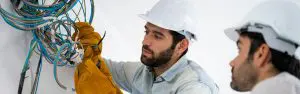
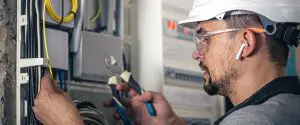
Electrical work should be handled safely and in accordance with applicable code requirements. Exterior outlets, attic pathways, equipment locations, surge protection, weatherproofing, and cable routing all affect the long-term reliability of the system. A professional who understands both electrical infrastructure and surveillance equipment can identify issues before installation rather than after a camera goes offline.
Lighting can make or break nighttime video
Many cameras include infrared night vision, but infrared has limits. Heavy rain, reflective surfaces, landscaping, and long distances can reduce image clarity. A well-positioned security light or motion sensor light can improve color video, discourage trespassing, and make pathways safer for residents and visitors.
The trade-off is glare. A bright light aimed directly into a camera can wash out the image, while a camera aimed toward streetlights or vehicle headlights may struggle with exposure changes. Coordinating security lighting and camera placement produces more useful footage than treating them as separate projects.
For homes in Richardson and across the DFW Metroplex, this combination is especially helpful around driveways, side yards, detached garages, and rear gates. Commercial properties may benefit from perimeter lighting and properly designed parking lot coverage, particularly where employees arrive early or leave after dark.
Recording, Alerts, and Privacy Need a Plan
Seeing live video on a phone is useful, but recorded footage is usually what matters after an incident. Before installation, decide how long recordings should be retained and what events should trigger alerts. Continuous recording gives the most complete timeline, while motion-based recording can reduce storage use. The right choice depends on the property, the number of cameras, and how often activity occurs in each area.
Alerts also need to be realistic. A camera that sends a notification every time a tree moves or a car passes can become frustrating quickly. Proper motion zones, person or vehicle detection, and sensitivity settings help reduce unnecessary alerts while preserving meaningful activity.
Privacy is another important consideration. Cameras should focus on your own entry points, parking areas, and property boundaries rather than a neighbor’s private spaces. Indoor cameras should be limited to appropriate areas and clearly considered from a household privacy standpoint. Businesses should also establish sensible policies for camera use, access to recordings, and employee notification where appropriate.
Common Shortcuts That Cause Problems Later
Many camera issues are not product failures. They are installation shortcuts. A camera may lose connection because it was placed at the edge of Wi-Fi range. Water may enter a poorly protected exterior connection. An overloaded outlet or poorly routed cable can create both safety concerns and an untidy appearance.
Homeowners should also be cautious about depending entirely on a single cloud account or phone app. Ask who owns the account, who has administrator access, what happens if passwords are lost, and whether there are ongoing subscription fees. A dependable system should be understandable to the owner, not dependent on one installer or one device.
For larger residences and commercial sites, network capacity matters as well. Multiple high-resolution cameras can place demands on a network, especially when users are viewing live streams remotely. A good installation accounts for bandwidth, equipment ventilation, recording storage, and secure access from the beginning.
When Integrated Security Makes More Sense
A standalone camera can be a good starting point, but some properties benefit from a broader approach. A camera system paired with motion sensor lighting, perimeter lighting, gate access, card access, or an upgraded electrical service can provide better coverage and day-to-day convenience.
For example, a property manager may want camera visibility at entrances and parking areas while restricting access to utility rooms or storage spaces. A homeowner may want driveway cameras, a video doorbell, and exterior lighting controlled from a phone. The best arrangement depends on the risk areas and the budget. Adding every available feature is not always necessary, but planning for future expansion can prevent costly rework.
Choose Workmanship You Can Count On
When comparing a security camera installer in Richardson, TX, look beyond the initial quote. Ask whether the proposal explains camera locations, recording equipment, power requirements, wiring methods, and any needed electrical work. Make sure you understand what is included in setup, mobile app access, training, and follow-up support.
It is also reasonable to ask how exterior equipment will be protected from heat, weather, and tampering. North Texas weather can be hard on outdoor devices, so quality enclosures, secure mounting, appropriate cable protection, and properly rated equipment matter.
Gartech Electrical brings the perspective of a full-service electrical contractor to CCTV and integrated security installations throughout Richardson and the surrounding DFW area. That means the project can be approached with attention to safe power, code-compliant electrical work, clean installation, and the practical details that help a system perform over time.
A security camera system should make you feel more informed, not more burdened by alerts, charging, connection issues, or unanswered questions. If you are considering new cameras or upgrading an unreliable setup, contact Gartech Electrical for professional guidance and a free estimate tailored to your property.