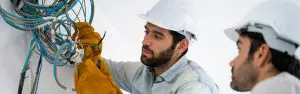
A tripped breaker in an office, a flickering aisle light in a retail store, or a hot electrical panel in a warehouse can quickly become more than a minor inconvenience. This guide to commercial electrical maintenance helps business owners and property managers recognize what deserves attention, build a sensible service plan, and reduce the risk of disruptive electrical failures.
Commercial electrical systems work hard. They support lighting, HVAC equipment, computers, refrigeration, machinery, security systems, charging equipment, and more. When maintenance is delayed, small signs of wear can turn into lost operating time, damaged equipment, failed inspections, or safety hazards.
Why Commercial Electrical Maintenance Pays Off
Preventative maintenance is not simply an added operating cost. It is a way to protect the systems that keep a property functional and productive. A planned inspection can identify loose connections, overloaded circuits, deteriorating components, water intrusion, and aging equipment before they create an emergency.
The financial benefit depends on the building and its use. A small professional office may mainly need reliable lighting, safe outlets, surge protection, and panel inspections. A restaurant, warehouse, medical office, or manufacturing facility may have heavier electrical loads and far less tolerance for an unexpected shutdown. In those settings, a single failed circuit or damaged panel component can interrupt operations, inventory, customer service, and employee safety.
Maintenance also supports code compliance. Electrical codes change, buildings are remodeled, and tenants add equipment over time. What was appropriate for a space years ago may no longer match the demands placed on it today. A qualified commercial electrician can assess whether the electrical system still serves the building safely and correctly.
Start With a Clear Picture of Your Electrical System
Before setting a maintenance schedule, document the equipment and areas that matter most. This includes the main electrical service, distribution panels, subpanels, breakers, disconnects, lighting controls, emergency lighting, exterior lighting, surge protection, generators, and equipment-specific circuits.
Accurate panel directories are especially valuable. Every breaker should be clearly labeled with the area or equipment it controls. Vague labels such as “lights” or “office” slow down troubleshooting and can create safety concerns during an urgent repair. As tenant improvements, remodels, or equipment changes occur, update those directories rather than treating them as a one-time task.
It also helps to keep records of past repairs, electrical inspections, power disruptions, and recurring issues. If one circuit trips repeatedly or certain lights fail more often than expected, that history gives an electrician useful context. Replacing the same component without identifying the underlying cause can waste time and money.
A Practical Guide to Commercial Electrical Maintenance Tasks
The right schedule depends on your facility, equipment, operating hours, and electrical load. High-use environments generally require more frequent attention than low-demand office spaces. A professional can help establish intervals that fit the property rather than applying a generic checklist.
Inspect Panels, Breakers, and Connections
Electrical panels should remain accessible, dry, and free of storage. Boxes, supplies, and furniture placed in front of panels can delay a safe response when a breaker trips or an emergency occurs. Look for signs of concern such as buzzing, burning odors, rust, discoloration, excessive heat, loose panel covers, or breakers that will not reset normally.
Do not keep resetting a breaker that trips. A breaker is designed to interrupt power when it detects an overload, short circuit, or fault condition. Repeated resets can increase the risk of equipment damage or overheating. A licensed electrician should determine whether the issue is caused by a failing appliance, overloaded circuit, damaged wiring, or a breaker problem.
During professional maintenance, electricians can inspect connections, assess load distribution, evaluate breaker condition, and identify corrosion or other damage. In facilities with older equipment or expanding power needs, they may also recommend panel upgrades or additional circuits.
Maintain Interior, Exterior, and Emergency Lighting
Lighting maintenance affects safety, security, employee comfort, and energy use. Burned-out lamps and flickering fixtures should not be treated as cosmetic issues only. Frequent failures can point to voltage problems, loose connections, incompatible retrofit components, failing ballasts or drivers, or moisture exposure.
Walk the property after dark to evaluate parking lots, walkways, entrances, loading areas, and perimeter lighting. Poorly lit areas can create trip hazards and reduce visibility for staff, visitors, and security cameras. Motion sensors, photocells, timers, and lighting controls should also be tested periodically to confirm they operate at the right times.
Emergency and exit lighting deserve particular attention. These systems need to perform when normal power is unavailable, not merely look functional during business hours. Test procedures and required intervals vary by building type and local requirements, so work with a qualified professional to keep these systems properly maintained and documented.
Watch Electrical Loads as Your Business Changes
Many commercial electrical problems begin when a space changes use. A former office becomes a salon, a retail suite adds refrigeration, or a warehouse installs new equipment. Plugging more devices into existing circuits may seem convenient, but it can overload wiring and breakers that were not designed for the added demand.
Warning signs include warm outlets or switches, frequent breaker trips, dimming lights when equipment starts, extension cords used as permanent wiring, and power strips serving high-demand equipment. These issues call for an assessment, not a temporary workaround. Adding dedicated circuits, correcting load imbalance, or upgrading service capacity may be the safer long-term solution.
Check Power Quality and Surge Protection
Sensitive electronics are common in nearly every business, from point-of-sale systems and network equipment to access control, security cameras, and automated machinery. Surges can come from utility events, lightning, large equipment cycling, or internal electrical switching.
Whole-building surge protection can help reduce exposure, but it should be selected and installed as part of the overall electrical system. It is not a substitute for proper grounding, correctly sized circuits, or safe wiring. A commercial electrician can inspect these related systems and recommend protection suited to the equipment and facility.
Keep Generators and Backup Power Ready
If your property relies on a generator or backup power system, maintenance must include more than checking whether the unit starts. Transfer equipment, batteries, fuel systems, alarms, and the circuits supported by backup power all need periodic attention. The goal is to confirm that critical systems will receive power safely during an outage.
Backup power priorities vary. A medical office may focus on critical equipment and refrigeration, while an office building may prioritize emergency lighting, communications, security, and essential IT systems. Clarifying those priorities helps avoid surprises when an outage occurs.
When to Call a Commercial Electrician Immediately
Some conditions should never wait for the next scheduled visit. Shut off power to the affected area if it is safe to do so, keep people away, and arrange professional service promptly when you notice burning smells, smoke, sparks, a hot panel, repeated breaker trips, water near electrical equipment, damaged service equipment, or a shock from an outlet or appliance.
Power disruptions that affect only part of a building also deserve investigation. The cause may be a failed breaker, damaged conductor, loose connection, overloaded circuit, or utility-related issue. Guessing can extend downtime and increase risk.
Build a Maintenance Plan Around Your Property
A useful plan combines routine visual checks by on-site staff with scheduled service by a licensed electrical contractor. Staff members can report damaged cords, flickering lights, blocked panels, and recurring equipment issues. Electrical work inside panels, repairs to wiring, load calculations, testing, and code corrections should be handled by qualified professionals.
For Dallas-Fort Worth businesses, summer cooling loads, severe weather, and fast-growing facilities can place added strain on electrical systems. Properties in Dallas, Arlington, Plano, Garland, Mesquite, and surrounding communities benefit from reviewing their systems before peak-demand seasons or major operational changes.
Gartech Electrical helps commercial property owners, managers, and businesses throughout the DFW Metroplex identify maintenance needs, correct safety concerns, and plan practical upgrades with dependable workmanship. If your facility has recurring electrical issues or has not had a professional review in some time, request an inspection or consultation before a small warning becomes an expensive interruption.