A space heater plugged into an overloaded power strip, a breaker that trips when the furnace starts, or lights that dim as heating equipment cycles on can turn a cold North Texas night into an electrical emergency. Scheduling an electrical inspection before winter heating season gives homeowners and property managers time to find weaknesses while repairs are still planned, not urgent.
In Dallas-Fort Worth, winter weather can bring sudden temperature drops, ice, wind, and utility interruptions. Even when a property uses natural gas for heat, electricity still supports the furnace blower, thermostat, igniter, condensate pump, heat pump components, and other equipment. A professional inspection helps confirm that the system supplying those loads is safe, dependable, and prepared for the season ahead.
Why winter puts more demand on electrical systems
Winter electrical demand is rarely limited to the central heating system. People spend more time indoors, turn on lights earlier, use electric blankets, operate space heaters, and charge more devices. Businesses may add portable heaters near entryways, warehouses, workstations, or customer areas. These extra loads can expose a problem that went unnoticed during milder months.
The risk is higher in older homes and commercial buildings with aging panels, undersized circuits, aluminum wiring, loose connections, or electrical work that was added over time without a full review of capacity. A circuit can appear fine under normal conditions but overheat when it is asked to carry sustained heating loads.
That does not mean every property needs a panel replacement. The right solution depends on the equipment, the condition of the electrical system, and how the building is used. Sometimes the answer is a targeted repair, a dedicated circuit for a new appliance, a breaker replacement, or correcting an unsafe connection. An inspection provides the facts needed to make that decision confidently.
What an electrical inspection before winter heating season should cover
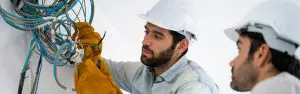
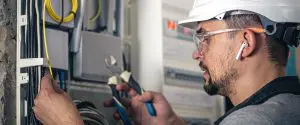
A meaningful inspection is more than a quick look at the breaker panel. A licensed electrician evaluates how the major parts of the electrical system work together and looks for conditions that could lead to overheating, shock hazards, outages, or equipment damage.
Electrical panel and breaker condition
The electrical panel is the distribution point for the building. An electrician checks for corrosion, damaged components, signs of overheating, improperly sized breakers, loose connections, missing knockouts, and labeling that no longer matches the circuits. Breakers that trip repeatedly should never be treated as an inconvenience. They are designed to interrupt power when a circuit is overloaded or a fault is present.
The inspection can also identify whether the panel has adequate capacity for current and planned electrical needs. This matters when adding a heat pump, electric furnace, EV charger, generator connection, solar equipment, or new lighting and security systems.
Heating equipment circuits and disconnects
Electric heat pumps, air handlers, furnaces, and supplemental heating equipment may require dedicated circuits and properly rated disconnects. The electrician can inspect accessible wiring, connections, breakers, and disconnects associated with the equipment. If heating equipment has been replaced or upgraded, confirming that its electrical supply matches the manufacturer requirements is especially worthwhile.
Portable space heaters deserve attention, too. They draw significant power and should plug directly into a properly functioning wall outlet, not an extension cord or power strip. If occupants regularly rely on space heaters because certain rooms stay cold, the better long-term answer may involve the HVAC system, insulation, or safely installed electrical heat – not more temporary cords across the floor.
Wiring, outlets, and switches
Outlets and switches can reveal conditions inside the walls. Loose receptacles, warm faceplates, discoloration, cracking, buzzing, sparking, or a burning odor require prompt professional attention. An electrician may also evaluate the grounding and protection appropriate for the location, including GFCI protection where required.
Older wiring does not automatically mean a property is unsafe. However, aging insulation, deteriorated connections, ungrounded outlets, and past do-it-yourself alterations can create risks that are more likely to surface when winter loads increase. The goal is to identify the actual condition of the installation rather than make assumptions based on a building’s age alone.
Surge protection and grounding
Winter storms, utility switching, and outages can contribute to voltage fluctuations. Whole-home surge protection adds a valuable layer of defense for appliances, HVAC controls, electronics, smart devices, security cameras, and other connected equipment. It works best as part of a complete system with proper grounding and bonding.
Plug-in surge strips can help protect individual electronics, but they are not a replacement for a properly installed whole-home surge protective device. An inspection can determine whether your grounding system and surge protection strategy need improvement.
Warning signs that should not wait for cold weather
Some problems call for an inspection before winter. Others need faster attention. Contact a qualified electrician promptly if you notice recurring breaker trips, flickering or dimming lights, buzzing from a panel or outlet, outlets that feel warm, a burning smell, shocks or tingling when touching equipment, or visible damage to wiring and electrical components.
For commercial properties, warning signs may also include equipment shutting down during peak use, frequent resets in tenant spaces, overloaded extension cords in work areas, or exterior lighting that fails early in the evening. These issues can affect safety, operations, and customer experience during the darker months.
If a breaker trips, avoid repeatedly resetting it. Turning it back on without finding the reason can allow an overloaded circuit or fault to continue. Leave electrical repairs to a licensed professional, particularly when the panel, service equipment, or heating circuits are involved.
Prepare for an outage, not just a heating load
A winter-ready electrical plan should consider what happens when utility power is unavailable. A generator can keep essential systems operating during an outage, but generator planning must be specific to the property. Homeowners may prioritize a furnace blower, refrigerator, selected lighting, internet equipment, medical devices, and a few outlets. A business may need security systems, emergency lighting, servers, refrigeration, access control, or critical production equipment.
A portable generator connection must be installed correctly to prevent dangerous backfeeding into utility lines. Standby generators require thoughtful load calculations, transfer equipment, permitting, and code-compliant installation. An electrical inspection is a practical starting point because it helps determine which circuits can be safely supported and whether panel upgrades are needed first.
Properties with solar power should also understand that most solar systems shut down during an outage unless they are designed with battery storage or appropriate backup capability. Solar production alone does not guarantee backup power. Reviewing the electrical integration before winter helps set realistic expectations.
Simple steps property owners can take now
Property owners do not need to open panels or test live electrical equipment to prepare. Start by removing extension cords and overloaded power strips from regular heating use. Test smoke and carbon monoxide alarms, replace weak batteries, and make sure electrical panels and disconnects remain accessible. Keep outdoor connections protected from moisture and report damaged covers, exposed wiring, or loose exterior fixtures.
For businesses and multifamily properties, review common areas, mechanical rooms, parking lot lighting, emergency lighting, and any seasonal equipment. Managers should also ask occupants to report warm outlets, tripped breakers, or flickering lights early. Small reports can prevent larger service disruptions.
Make winter readiness a planned service call
The best time to correct an electrical issue is before it becomes a nighttime emergency or leaves a property without reliable heat. A professional inspection can prioritize repairs based on safety, code compliance, and the practical demands of your home or facility.
For homeowners, property managers, and businesses in Balch Springs, Dallas, Mesquite, and nearby DFW communities, Gartech Electrical can assess panels, circuits, surge protection, backup power options, and winter-related electrical concerns with clear recommendations and quality workmanship. Contact the team to schedule an inspection or request a free estimate, then head into the heating season knowing your electrical system has been given the attention it deserves.