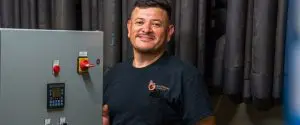
A tripped breaker at a retail store, a dark parking lot at an office building, or insufficient power for new equipment can disrupt far more than a workday. For owners and managers, choosing a commercial electrical contractor in Dallas for business and commercial property services means protecting people, keeping operations moving, and avoiding costly interruptions before they grow.
Commercial electrical work is not one-size-fits-all. A restaurant’s electrical demands differ from those of a warehouse, medical office, multifamily property, or tenant build-out. The right contractor starts by understanding how the space is used, what equipment it supports, and where the system needs to go next.
What commercial electrical services cover
Commercial electrical service includes much more than repairing an outlet or replacing a light fixture. It involves the infrastructure that safely delivers power throughout a property, supports daily operations, and meets applicable electrical codes.
For an existing property, that may begin with troubleshooting flickering lights, overloaded circuits, recurring breaker trips, damaged wiring, or equipment that will not stay powered. These symptoms can have simple causes, but they can also point to undersized circuits, aging panels, loose connections, or a system that no longer matches the building’s load requirements. A qualified electrician investigates the cause rather than treating the visible symptom as the whole problem.
For a growing business, electrical work often centers on upgrades. New machinery, commercial kitchen equipment, servers, HVAC equipment, expanded workstations, and EV charging can all change the amount of power a building needs. Panel upgrades, new dedicated circuits, service upgrades, and distribution improvements can provide capacity while reducing the risk of overloads and unplanned shutdowns.
New construction and renovation projects require another level of coordination. Electrical plans must support the layout, lighting, equipment, safety systems, and future needs of the finished space. Working with builders, architects, property managers, and other trades early helps prevent expensive changes after walls and ceilings are closed.
Electrical repairs that keep operations on track
Electrical problems rarely arrive at a convenient time. A lost circuit can stop point-of-sale systems, refrigeration, production equipment, internet equipment, or essential lighting. In a commercial setting, speed matters, but so does finding a repair that holds up under normal use.
Common repair calls include breaker failures, damaged receptacles, faulty switches, lighting outages, wiring damage, power loss to equipment, and signs of overheating such as buzzing, discoloration, or a burning smell. These are not issues to postpone. Continuing to reset a breaker or use a damaged outlet can create safety concerns and may lead to larger repairs.
Emergency electrical repairs are especially valuable when a problem affects critical operations or creates a potential hazard. The appropriate response depends on the issue. A single failed light fixture is different from partial building power loss, exposed conductors, water near electrical equipment, or repeated panel trips. In all cases, keeping employees and customers away from a suspected electrical hazard is the right first step until a professional can assess it.
Lighting is a business and safety investment
Lighting affects how a commercial property functions, how customers view it, and how safely people move through it. Poor lighting in entrances, stairwells, loading areas, walkways, and parking lots can create both security and liability concerns. Indoors, uneven or outdated lighting can make offices uncomfortable, retail displays less effective, and detailed work harder to perform.
A commercial lighting project may include LED retrofits, new fixtures, recessed or decorative lighting, warehouse high-bay lighting, exterior building lighting, parking lot lighting, security lighting, motion sensors, and lighting controls. LEDs often reduce energy use and maintenance needs, but the best fixture choice depends on ceiling height, operating hours, light levels, color temperature, and the work being done in the area.
For example, a warehouse needs broad, reliable illumination with fewer shadows, while a restaurant may need layered lighting that is functional without feeling harsh. A retail property may prioritize product visibility and an inviting storefront. Good lighting design balances appearance, efficiency, maintenance, and safety instead of focusing only on fixture price.
A Dallas commercial electrical contractor for planned upgrades
Preventative electrical maintenance is one of the most practical services for commercial property owners. Rather than waiting for equipment failure, scheduled inspections can identify loose connections, worn components, overloaded circuits, panel concerns, and conditions that may lead to downtime.
Maintenance is particularly useful for older buildings, high-demand facilities, multi-tenant properties, warehouses, restaurants, and locations with critical equipment. The proper schedule depends on the property’s age, electrical load, operating hours, and history of repairs. A lightly used office may not need the same attention as a facility running long shifts with heavy equipment.
Electrical inspections also help owners make informed decisions before purchasing a property, signing a lease, starting a renovation, or bringing in new equipment. They provide a clearer picture of whether the existing system can support the intended use and whether upgrades should be included in the project budget.
Backup power, surge protection, and energy planning
A power outage can mean lost revenue, damaged inventory, security gaps, and frustrated customers. For some businesses, it can also affect safety systems or essential operations. Generator installation and backup power systems can keep selected circuits or larger portions of a property operating during an outage.
The right backup solution depends on the loads that matter most. A small office may prioritize network equipment, emergency lighting, refrigeration, and security systems. A larger facility may need a more detailed load calculation and a plan for essential equipment, access systems, communications, and operational continuity. Backup power should be designed around real priorities, not just generator size.
Surge protection is another worthwhile layer of protection for sensitive electronics and building equipment. Modern commercial properties rely on computers, controls, security cameras, network hardware, and increasingly sophisticated HVAC and lighting systems. A professionally installed surge protection strategy can help reduce exposure to damaging electrical surges.
Solar electrical integration may also make sense for qualifying commercial properties with suitable energy goals and site conditions. The financial value depends on energy use, available space, equipment costs, and project requirements, so an electrical assessment should come before assumptions about savings.
Security systems need the right electrical foundation
Commercial security is strongest when lighting, power, and monitoring systems work together. Security camera systems, CCTV, video surveillance, access control, card access, perimeter lighting, and motion-activated lighting all depend on reliable electrical installation and thoughtful placement.
A camera is only useful if it covers the right area and remains powered when needed. Access control must be integrated correctly with doors and building operations. Exterior lighting should improve visibility without creating glare or leaving shadows where people approach the property. These systems are most effective when considered as part of the building’s overall electrical and security plan.
What to look for before hiring a contractor
Price matters, but a low estimate is not always the lowest long-term cost. Commercial owners and managers should look for a contractor who communicates clearly, explains the scope of work, follows code requirements, and can coordinate with the needs of an occupied property.
Ask how the contractor will minimize disruption, whether permits or inspections are needed, and what happens if the project reveals concealed conditions. For larger work, confirm that the proposal identifies the equipment, labor scope, schedule expectations, and any work that is not included. Clear expectations protect both the property owner and the contractor.
Local experience matters, too. Businesses in Dallas, Balch Springs, Garland, Mesquite, Plano, Irving, Arlington, Fort Worth, and surrounding DFW communities face a mix of aging buildings, fast-moving development, demanding summer cooling loads, and evolving tenant needs. An electrician familiar with commercial systems can help plan work that supports the property beyond the immediate repair.
Gartech Electrical provides commercial electrical repairs, upgrades, lighting, preventative maintenance, backup power, solar integration, and security system installation with dependable workmanship and code-compliant service. Whether you manage one storefront or several properties, a professional assessment can turn an electrical concern into a clear plan. Contact Gartech Electrical to discuss your project, request a free estimate, or schedule a consultation before a small electrical issue affects your business.